Skip to content
Independent study guide

U.S. Tax Basics, Explained Step by Step

A plain-language walkthrough of nonresident filing duties, key forms and deadlines for students new to U.S. taxes.

A student sitting at a desk reviewing printed tax forms and a laptop
Common questions

Sprintax frequently asked questions, answered plainly

What is Sprintax, and why do international students hear about it?

Sprintax is tax preparation software built for people filing as nonresidents in the United States. Many campus international offices mention it because ordinary consumer filing tools are generally designed for residents. This sprintax overview is educational only: we describe what the software is intended to do, not whether it fits your situation. A short sprintax explained summary is simply this — it is one of several ways a nonresident return can be prepared.

How does Sprintax work in general terms?

The question of how does sprintax work usually comes down to a guided questionnaire. You answer questions about your visa category, arrival dates, income documents and country of citizenship, and the software applies those answers to the relevant forms. This sprintax guide does not walk you through screens or accounts. Instead, our topic pages explain the underlying concepts — residency tests, income types, treaty articles — so the questions make sense when you meet them.

How do I know whether I file as a resident or a nonresident?

Your sprintax residency status is not something you choose; it follows from immigration category, years present in the U.S. and the substantial presence test. Students on F and J visas are often exempt from counting days for a limited number of calendar years, which keeps them nonresident for tax purposes longer than expected. Our sprintax tax residency guide page describes the test in detail, with the ordinary vocabulary used on IRS instructions.

Which documents are usually gathered before starting?

A typical sprintax document checklist includes your passport, visa and I-20 or DS-2019, U.S. entry and exit dates, and any income statements such as Form W-2, Form 1042-S or Form 1099. Sprintax required documents also often include last year's return if you filed one, plus your SSN or ITIN. Gathering these first turns the sprintax tax filing process from guesswork into straightforward data entry.

What is the difference between Sprintax Returns and Sprintax Calculus?

The sprintax returns vs calculus comparison confuses many first-time filers. Broadly, a sprintax returns overview describes software used after the tax year ends to prepare an annual return. Calculus is generally used by universities and employers during the year to determine withholding and treaty eligibility for payments. One looks backward at income already received; the other looks forward at payments about to be made.

Do I still file if I had no U.S. income at all?

Many nonresident students with zero income are still expected to submit Form 8843, an informational statement about days of presence. It is not an income tax return and no payment is involved. This point surprises people using sprintax for beginners material for the first time. Our sprintax tax forms explained page describes Form 8843 alongside W-2 and 1042-S so you can see which documents belong to which obligation.

Does filing federal taxes cover state taxes too?

Usually not. The topic of sprintax federal and state taxes matters because states set their own rules, forms and deadlines, and some states have no income tax at all. A federal return filed with the IRS does not automatically satisfy a state requirement. Check the rules of the state where you lived or earned money, since residency definitions at state level can differ from the federal ones described in our sprintax tax return guide.

Is this website affiliated with the software it describes?

No. This is an independent educational publication. We write sprintax user guide style explanations of terminology, deadlines and forms so that international students, scholars and exchange visitors can read about the subject in neutral language. Nothing here is personalized tax advice or a legal conclusion. For questions about your own circumstances, consult your university's international student office or a qualified tax professional.

What we cover

Topics explained one step at a time

U.S. tax basics for first-time filers

Start here if nobody has ever explained why a student on an F or J visa hears about tax season at all. We define gross income, withholding, a tax return and a refund in plain sentences, then show where a sprintax overview fits into that picture. No prior knowledge assumed, and every term is introduced before it is used again further down the page.

Residency status and the presence test

Resident or nonresident for tax purposes has nothing to do with your immigration status, and that single confusion causes most filing mistakes. Our sprintax tax residency guide walks through the substantial presence test, exempt days for students and scholars, and dual-status years. Understanding sprintax residency status questions before you answer them makes the rest of the process far less mysterious.

Documents and identification numbers

A sprintax document checklist is easier to follow when you know what each paper is. We describe the W-2, the 1042-S, the 1099 series and the Form 8843, plus how an SSN or ITIN identifies you to the IRS. Reading the sprintax required documents pages first means you gather records once instead of hunting for them mid-session.

The filing process, step by step

What is sprintax, and how does sprintax work once you open it? Our sprintax tax return guide follows the ordinary order of operations: residency questions, income entry, treaty questions, then review and printing. This sprintax user guide explains how to use sprintax at the level of what each screen is asking for, so nothing arrives as a surprise.

Federal, state and the two products

Federal and state returns are separate filings with separate rules, and sprintax federal and state taxes coverage is where many readers get lost. We also compare sprintax returns vs calculus so you know which tool a university usually connects to payroll paperwork and which one prepares a return. A sprintax returns overview in ordinary language, without the marketing gloss.

Deadlines, terminology and common questions

Our sprintax frequently asked questions section gathers what readers actually ask: which April date applies, what happens with zero income, whether Form 8843 stands alone. Alongside it sits a sprintax tax terminology reference so words like non-resident alien, tax treaty and standard deduction stop being obstacles. Written as sprintax explained for beginners, not as a legal summary.

About this site

An independent reference desk, not a filing service

Our Site is an independent educational publication about U.S. tax fundamentals for people who arrived on a student or scholar visa and met the words tax return for the first time here. We do not prepare returns, we are not connected to any software company, and nothing on this site is for sale. What we publish is explanation: a sprintax guide written the way a patient classmate would explain it, with the vocabulary defined and the order of steps made visible. Every page is built for a reader with a deadline approaching and very little context, which is why definitions come before instructions and why we repeat the basics instead of assuming them.

A student at a desk reviewing printed forms and notes beside a laptop
Four steps

How a first filing season usually unfolds

01 — Establish your tax residency status

Before any form is filled in, most international students need to know whether the IRS treats them as a nonresident or a resident for tax purposes. The substantial presence test, exempt-individual years and visa category all feed that answer. A sprintax tax residency guide asks the same questions in the same order, and the sprintax residency status step is where almost every first-time filer starts.

02 — Collect the paperwork on a checklist

Passport, visa record, I-20 or DS-2019, every entry and exit date, and any income statements for the calendar year belong in one folder. Employers issue Form W-2; universities may issue Form 1042-S for scholarships or treaty-covered wages. Working from a sprintax document checklist keeps the gathering orderly, and the sprintax required documents rarely change much from one season to the next.

03 — Prepare the federal return

With documents in hand, the federal return is assembled: income entered as printed, treaty positions considered, and Form 8843 completed even when there was no income at all. Reading a short sprintax tax return guide first helps, because the sprintax tax filing process asks its questions in a fixed sequence and each answer changes which forms appear later on.

04 — Check state rules and the calendar

Federal filing is only half the picture. Individual states set their own forms, thresholds and due dates, and a student who worked in two states may face two state returns. Anything describing sprintax federal and state taxes should be read alongside the state revenue department's own pages. Mark the April federal deadline and any state deadline early, then set a reminder.

The long read

Sprintax explained: a plain overview for first-time filers

Printed tax forms, a notebook and a laptop arranged on a desk
Year-end income statements, immigration paperwork and a calendar: the ordinary desk of a first filing season.

The long readUpdated September 2026

What is Sprintax, and who usually encounters it

What is sprintax? In plain terms, it is tax preparation software built for people who file as nonresidents in the United States, rather than the mainstream products aimed at citizens and long-term residents. Universities and exchange programs often mention it during orientation, which is how most students first hear the name. A sprintax overview is worth reading before your first filing season, because the vocabulary — nonresident alien, substantial presence, tax treaty, withholding — tends to arrive all at once. This page is independent editorial material: it describes how such tools are generally structured and what the underlying tax concepts mean. Sprintax for international students, sprintax for international scholars and sprintax for exchange visitors all describe roughly the same audience: people on F, J, M or Q status whose filing duties differ from those of their classmates.

Sprintax explained at the simplest level: the software asks structured questions, applies nonresident rules, and produces completed federal forms for the user to review, sign and submit according to the instructions given. It does not replace the IRS instructions, and it cannot decide anything the filer has not told it. Any honest sprintax guide says the same thing — the output is only as accurate as the dates, documents and answers put in. For sprintax for beginners that is the single most useful idea to carry into the season: the tool organises the work, while responsibility for the facts stays with the person filing. Sprintax for non residents is therefore less a shortcut than a structured questionnaire that keeps the correct forms in view at the correct moment.

How does Sprintax work, from first screen to finished return

How does sprintax work in practice? The sequence is fairly consistent from year to year. A profile is created, then come questions about immigration status, arrival and departure dates, and earlier visits to the United States — the raw material for a residency determination. The sprintax residency status result then shapes everything after it, because nonresident and resident filers use different form families. Income screens follow, where figures are copied from Form W-2, 1042-S or 1099 exactly as printed. Tax treaty questions come next, since some countries have agreements that exempt part of a student's wages or scholarship from federal tax. Finally the return is assembled and a summary shown. Anyone learning how to use sprintax for the first time should expect to pause partway through to hunt for a missing document.

A practical sprintax user guide habit: read the whole sprintax tax filing process once before entering anything. Knowing that entry and exit dates appear at step two prevents a scramble at step five. Keep the passport stamps, the I-20 or DS-2019 and every income statement on the desk together. The sprintax required documents are ordinary paperwork, but they are easy to mislay across a year of moving between apartments and campuses. It also helps to learn a little sprintax tax terminology before starting: withholding is tax already taken from pay, a refund is the return of amounts over-withheld, and a filing obligation can exist even when no tax is owed. Form 8843, for instance, is an informational statement many students must send regardless of income.

Sprintax Returns vs Calculus: two tools with different jobs

The phrase sprintax returns vs calculus comes up constantly, because the two names sit side by side yet do different work. A sprintax returns overview describes the product a student uses after a tax year ends, to prepare and file a nonresident federal return. Calculus, by contrast, is the payroll-side tool a university or employer may use during the year to set correct withholding and check treaty eligibility before wages are paid. One looks backwards at a finished year; the other looks forward at the next paycheck. Students normally interact with the first directly and with the second only through a payroll office or international student adviser, which is why a short sprintax overview of both clears up a great deal of orientation-week confusion.

Keeping the split straight also keeps expectations realistic. If withholding was handled through a payroll system during the year, those figures should already appear on the year-end statements, and the return simply reconciles them. If nothing was withheld, or too much was, that reconciliation happens at filing time instead. A sprintax tax return guide cannot change payroll records retroactively, and a payroll tool cannot file a return on anyone's behalf. The distinction matters when reading sprintax frequently asked questions too, where answers about treaty paperwork sometimes refer to a form signed months earlier with an employer rather than anything typed in during filing.

Forms, deadlines and the limits of any software

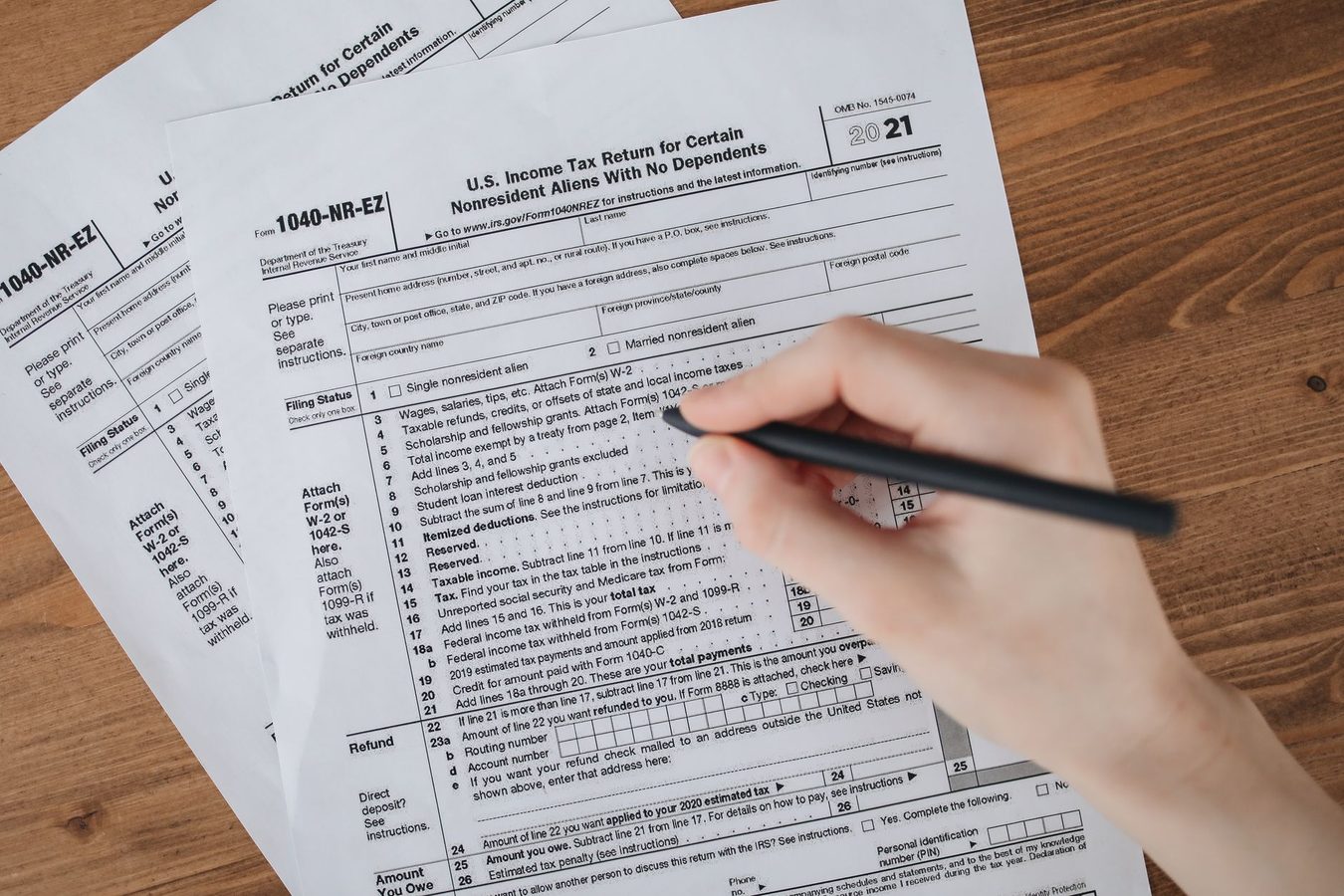
Sprintax tax forms explained in brief: Form 1040-NR is the federal return many nonresidents file; Form 8843 is the statement of exempt individuals that applies to many F and J visa holders even with no income at all; Form W-2 reports employment wages; Form 1042-S reports scholarship, fellowship or treaty-covered payments; the 1099 series covers other income such as bank interest or contract work. State returns are separate documents with their own numbering and their own rules. Anything describing sprintax federal and state taxes is best read as two parallel obligations rather than one combined task. Federal returns for a calendar year are generally due in mid-April of the following year, and state due dates often, but not always, line up with that date.

No software, and no sprintax guide, removes the filer's responsibility to check the result before signing. Names, identification numbers, addresses and dollar amounts should be compared line by line against the source documents. If an SSN or ITIN is missing, that question usually has to be settled before a return can be completed at all. Where a situation is genuinely unclear — a dual-status year, several state moves, an unusual treaty claim — university international offices, official IRS publications and qualified tax professionals are the right places to turn. This site is independent editorial coverage, is not affiliated with any provider, and nothing written here is personalised tax advice.

Before you begin

A checklist to work through before deciding anything

  • Confirm which tax year you are filing for. A return covers the previous calendar year, so wages earned this January belong to next season's paperwork rather than the forms currently in front of you.
  • Check whether you are treated as a nonresident or a resident for tax purposes before choosing any tool. Most sprintax for international students material assumes nonresident status, and that classification does not last indefinitely.
  • Count your paperwork against a sprintax document checklist: passport, visa record, I-20 or DS-2019, Form W-2, Form 1042-S, any 1099s, and the dates of every entry into and exit from the country.
  • Verify that you already hold an SSN or ITIN, or find out how one is obtained. Identification numbers appear on most returns, and resolving this late is a common source of delay.
  • Ask your university's international student office what it provides. Many campuses run their own orientation session or circulate a sprintax overview tailored to the specific forms that school issues.
  • Separate federal from state duties. Treat sprintax federal and state taxes as two tracks, then confirm each state's forms and deadlines directly with that state's revenue department rather than assuming they match.
  • Read a sprintax frequently asked questions page alongside the official IRS instructions for the forms you expect to file. Where two summaries conflict, the primary source decides.
  • Put the filing deadline in your calendar with a reminder two weeks ahead. Even a return showing no tax due, such as a standalone Form 8843, still carries a date.

Start with the basics, then follow the steps

Every topic here is written for somebody filing in the United States for the first time: residency rules, identification numbers, required documents and the forms behind them. Begin with the plain-language overview, then take the step-by-step pages in whatever order your situation needs.